viernes, 18 de marzo de 2011

Club de Lectura 4º ESO 5ª sesión: SHAKESPEARE IN LOVE

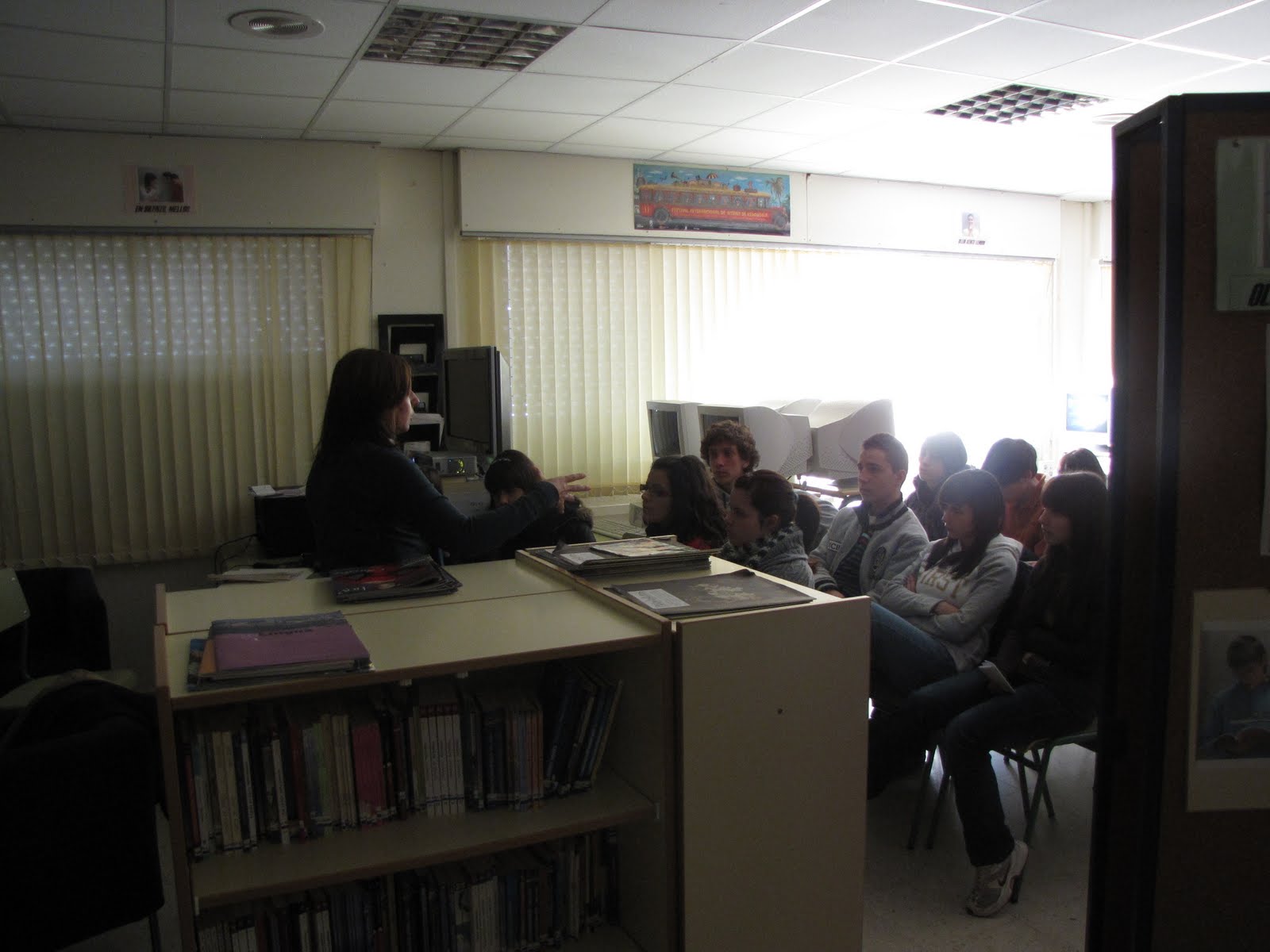
Greetings from English Department. We have celebrated San Valentine’s Day by watching one of the most romantic films about the love.
ABOUT THE FILM.........SHAKESPEARE IN LOVE
Set in the late 16th century London, the film directed by John Madden portrays a more humanised image of the historical figure of William Shakespeare. The script brings out the human element, all the emotions and problems that go with it.
We can see the beginnings of Shakespeare as a play writer. The first recorded mention is by another playwright, Robert Green, who called him “ an upstart crow” in 1592.
One of the most fascinating things about Shakespeare is that most of his life is a complete mistery. That makes it possible to speculate on a romance as we see on the screen.
The original idea of the film came from writer and producer Marc Normann, who wondered what led Shakespeare to write ROMEO AND JULIET, the play with which he really “ finds his voice” mixing genres: beginning with a love story and comedy which shifts into a tragedy presenting radical new ideas for his time.
It has been awarded with seven oscars including best actress, best script and best film.
The screenplay, written by Marc Normann and Tom Stoppard is one of the film’s main attractions. Both have achieved a very witty and at the same time respectful language full of suggestive word plays, innuendos(1), and double meanings ( three of Shakespeare talents which delighted British audiences at that time).
Most of the characters in the film SHAKESPEARE IN LOVE are real : Chistopher Marlowe a major playwriter of the 16th century author of Dr. Faustus and Edward the Second, Richard Burbage was the son of James, who built London first theater, The Curtain. Philip Henslowe another of the pioneering impresarios who built his theater The Rose on Bankside in 1584 and his censor Master of the Revels, Sir Edmund Tilney.
(1) indirect remark about somebody’s body usually suggesting something rude or mean.

lunes, 28 de febrero de 2011

Club de Lectura 4º ESO 4ª sesión: HAMLET (Text)


HAMLET´S PLAYSCRIPT
Main characters:
CLAUDIUS ………………………………............ King of Danemark
GERTRUDE…………………….........…………... Queen of Danemark
HAMLET………………………………..........…… Prince of Danemark
HORATIO …………………………...........…….. Hamlet’s best friend
ROSENCRATZ............................................ Hamlet’s friend
OPHELIA …………………………………........... Hamlet’s beloved
POLONIUS....................................................... Ophelia’s father
LAERTES ……………………………...............……… Ophelia’s brother
GHOST ………………………………...............…….. Hamlet’s father
PEOPLE
NARRATOR

1st SCENE
NARRATOR: People of Danemark: ‘ Claudius always wanted to be a king. Hamlet is the true king after his father’s death. But Claudius didn’t want that. That’s why he married Queen Gertrude.’
HAMLET: ‘ How can my mother forget my dear father so quickly?’ He loved her so much. But on two months after his death, she’s married my uncle.
CLAUDIUS: ‘ Hamlet you are like a son to me. Why are you still unhappy about your dead father? I’m your father now.’
GERTRUDE: ‘ don’t think about your father so much. Everybody has to die. Why do you look so sad?
HAMLET: ‘ I can’t forget my father quickly.’

2ND SCENE
HORATIO: ‘ I saw a ghost on the walls of the castle last night’
HAMLET: ‘What ghost? What did it look like?
HORATIO: ‘It looked like your dead father.
HAMLET: I’ll watch with you tonight. Perhaps it will come again. I’ll talk to it.
NARRATOR: That night, Hamlet joined Horatio. It was nearly midnight. Suddenly Horatio looked up and cried out.
HORATIO: There’s the ghost!
HAMLET: Tell me who you are. What do you want?
GHOST: I’m your father’s ghost. I was murdered by Claudius, your uncle. When I was asleep in my garden he poured poison into my ears. Nobody knew how I died.
You must do something, Hamlet. You must kill Claudius for his crime. But don’t hurt your mother. But remember me.
HORATIO: Are you all right? What did the ghost say?
HAMLET: Don’t tell anyone about tonight ! Don’t tell anyone about the ghost!

3 RD SCENE
NARRATOR: After he met the ghost, Hamlet changed. He pretended to be mad. He said and do very strange things. Her mother became more and more worried about her son.
HAMLET: I’m not happy now. I can’t enjoy anything and I never laugh. Nothing in the world is interesting or beautiful, everything is ugly.
ROSENCRATZ: Some actors are coming to act in a play. You always enjoy plays.
NARRATOR: The play was about the death of an old king. Then Hamlet had got an idea.
HAMLET: I’ll ask the actors to act a story which is like the death of my father. I’ll ask Claudius to watch the play and I’ll watch his face.
NARRATOR: Ophelia’s was Hamlet’s girlfriend. Her father Polonius was a servant of the king. Her brother Laertes was in France. Hamlet acted strangely towards Ophelia and she was very hurt. She loved Hamlet very much and she couldn’t understand what was wrong. Claudius and Gertrude were at the play.
The king in the played got killed exactly the same way as Hamlet’s father was.
OPHELIA: Look! Claudius is standing up!
POLONIUS: Stop the play!
CLAUDIUS: Put the lights on! Go away everybody! Leave the room!
HAMLET: Did you see what the king did ? I’m sure he killed my father.
NARRATOR: The queen wanted to speak to Hamlet. Ophelia’s father Polonius was hiddden behind the curtains to hear Hamlet’s words to his mother.
GERTRUDE: You’ve made your father very angry.
HAMLET: My father! But Claudius is not my father!
GERTRUDE: Don’t speak to me like that! Have you forgotten who I am? What are you going to do? Are you going to kill me? Help!! Help!!
NARRATOR: Polonius started crying for help, too. Hamlet thought it was Claudius so he took his sword and killed him. When he pulled back the curtain he saw Polonius.
GERTRUDE: You’ve made a terrible thing. You’ve killed Polonius.
HAMLET: Yes, it’s almost as bad as the murder of a king! Yes, my father was a good man, how could you forget him so quickly and marry my uncle? He is a very bad man . A murderer.
GHOST: Look at your mother. She’s very frightened. Speak to her!
HAMLET: What’s the matter with you, mother?
GERTRUDE: What’s the matter with you, Hamlet? You are talking to the air. what can you see?
HAMLET: HIM! Can’t you see him?
GERTRUDE: I can’t see anything!
HAMLET: It’s the ghost of my father.
GERTRUDE: There’s no ghost! You’re mad!
HAMLET: I’m not mad. My father’s ghost has come here because of your crime!

SCENE 4TH
NARRATOR: Claudius knew immdeiately what was wrong whenhe talked to Gertrude so he decide to send Hamlet to England. He gave a letter to Hamlet’s friends for the King of England. He asked the king to kill Hamlet.
Hamlet discovered Claudius plans and returned sane and safe to Danemark.
Then Hamlet met his friend Horatio and found out that Ophelia his girlfriend was dead. When Hamlet killed her father she went mad.
Laertes, Ophelia’s brother has come back to France and wanted to take revenge on his father’s and sister’s dead.
Claudius told Laertes his plan to kill Hamlet.
CLAUDIUS: I want to be sure of his death. During the fight I’ll offer him wine with poison in it.
NARRATOR: Everyone came to the fight between Laertes and Hamlet.
HAMLET: Please, forgive me. I’ve acted badly. I’m very sorry. I didn’t want to hurt you.
LAERTES: I accept it but we must fight.
NARRATOR: Claudius offered Hamlet the poisoned wine but Hamlet wasn’t thirsty. Before he could stop it the queen , Hamlet’s mother, drank the wine. Laertes hurt Hamlet with the poisonous sword and then Hamlet took by mistake Laertes sword and hurt him.
GERTRUDE: The drink is poisoned!!
LAERTES: My sword is poisoned both are going to die.
HAMLET: Poisoned sword? Here’s the best place for it!
NARRATOR: He pushed the sword into the king’s heart. Laertes fell dead and the king, too. Hamlet turned to Horatio.
HAMLET: I’m dying, but you must tell my story to the world.
2011

Club de Lectura 4º ESO 4ª sesión: HAMLET (1ª parte)

HAMLET’S REVIEW

After reading the adapted version of Hamlet the students wrote their feelings and opinions about the play.


Written by Lidia Figueroa (4º ESO B)

Hamlet is a prince who tries to avenge the death of his father knowing that he was killed by his uncle, Claudius. He has killed his brother by pouring poison into his ears.

After having talked with his father’s ghost, Hamlet intends to kill his uncle.

Claudius sent Polonius to spy Hamlet. Polonius hid behind a curtain to hear a conversation between Hamlet and his mother, the Queen. Mistaking Polonius for the King, Hamlet kills him.

Eventually, Claudius is killed by Hamlet with a poisoned sword. The Queen and Hamlet both died poisoned, too.

PERSONAL OPINION

I think that Hamlet is a very interesting play although in the end all characters died. That ‘s why it is a little weird. I think the end might be “happier” without killing so many people.

Written by Santiago Piovene (4º ESO B)

Hamlet was a prince. His father was dead and Hamlet thought he was murdered by his stepfather. He investigated his death and found many clues.

One day, he decided to kill his stepfather as revenge but he accidentally killed other person, Polonius. He was the father of the girl he loved. When Hamlet realised what he had done he became very sad.

In the end, they decided to fight and the result is the death of everyone except Horatio, Hamlet’s friend.

It’s a really tragic story.

Written by Yasmina Martínez (4º ESO B)

This work by Shakespeare tells the story of Hamlet, a prince who after having met his father’s ghost he decides to make known the true causes of his death.

In my opinion this story is very interesting, because there is mistery, but it’s also very sad. In the end, though the truth is discovered, many people died, including Hamlet himself.

martes, 18 de enero de 2011

Club de Lectura 4º ESO 3ª sesión: A imaxe e a palabra

Nesta terceira sesión do club de lectura introducimos @s clubeir@s no mundo do cómic. Nun power point ollamos os elementos que os debuxantes empregan á hora de crear unha banda deseñada e mesmo como facer nós un cómic cuns poucos elementos básicos de debuxo.


Aproveitando que leron Maus na sesión anterior do club (podes premer aquí para ler máis), analizamos as características visuais deste libro. Preguntámonos porque o autor empregou un debuxo tan sinxelo e que finalidade oculta. Deducimos que imaxe e texto están fortemente vencellados, de aí que caracterice aos personaxes en animais tentando simbolizar a través das cualidades destes (porcos, gatos e ratos) a problemática social da época (polacos, nazis e xudeus).


Unha temática tan comprometida impide un debuxo realista e promove a sinxeleza do trazo para non entrar en competencia coas profundas reflexións que xera a temática social desta banda deseñada.

Feito por Santiago Piovene (4º ESO B)


Hai unhas semanas a profesora de Historia Andrea Moreno falounos da Segunda Guerra Mundial.

Recomendounos ler un libro, chamado Maus, que trataba deste tema, dos nazis e de Hitler, un ditador alemán que acabou coa vida de un millón de xudeus. Os personaxes do cómic eran animais, cada un representando a unha determinada raza ou grupo social, por exemplo: os xudeus viñan representados como ratas, os nazis como gatos, os polacos, como porcos, etc.

Uns días despois, veu a profesora de plástica Liliana Vázquez, cunha presentación no ordenador, foinos ensinando como facer un cómic, explicando ata o máis mínimo detalle. Deunos algúns consellos e tácticas e ofreceuse a axudarnos persoalmente a facer algún.


O que me pareceu máis importante foi a charla da 2ª Guerra Mundial, xa que non se estuda con tanto detalle na ESO e é un tema bastante importante e fainos reflexionar sobre algunhas cousas, que aínda seguen pasando agora no mundo.

martes, 21 de diciembre de 2010

Club de Lectura 4º ESO 2ª sesión: A historia en MAUS

Feito por Carla Lago Faginas 4º ESO B
Hai una días déronnos un libro titulado MAUS que falaba da historia de Hitler e os nazis en Alemaña.
No salón de actos, unha profesora falounos desa historia a 4º A e B. Ensinounos un power point con videos da época onde saían os nazis maltratando aos xudeus: encerrábannnos en campos de concentración, torturábannos, matábannos.
Nos videos falaban persoas de avanzada idade que sufriran eses maltratos, contaban como vían morrer a súa familia, todo polo que pasaron na alemaña de Hitler.
Nesa época en alemaña, os perfectos tendían a ser os loiros de ollos azuis e xa de pequenos lles metían na cabeza que Hitler era perfectos e que mandaba en todo.
En numerosas ocasións xa o intentarán matar pero os intentos foron nulos.
Finalmente, fixeron campos de concentración máis grandes para encerrar aos xudeus. Neles lles obrigaban a traballar forzosamente, non lles daban de comer e estaban completamente anoréxicos. Por último, engañabanlles dicíndolles que se fosen a duchar e polos grifos saía gas tóxico que os mataba en cuestión de segundos.
Co tempo isto foi cambiando ata chegar a normalidade.

lunes, 20 de diciembre de 2010

Club de Lectura Mixto 2ª sesión: MUSICÁNDONOS (Textos 3)

PINK FLOYD. WISH YOU WERE HERE
Por qué?
esta pregunta se convierte en un reflejo que ya no controlo, esta pregunta me deja de las mil situaciones que pueden existir, pero la conciencia me persigue si intento escapar de ella sumiéndome en la ignorancia, entonces no hay otra salida que la de seguir la corriente que nos arrastra...
* * *
Vuelvo a mi adolescencia....etapa llena de miles de interrogantes....sin respuesta. Ya sé, recuerdo alguno de ellos que me llevaba por el camino de la amargura : ¿qué vas a estudiar?, ¿qué futuro te vas a labrar?...clásicas preguntas retóricas que formaban parte del típico discurso del " week-end" con el único objetivo de hacerme pensar. ¡Cuánta indecisión en una etapa en la que los tuyos te dicen que orientes tu futuro!

* * *
Un bo día
Bos amigos
Moitas risas
Pasear polo monte. Atención! Aquí cagou un cabalo – Ha, Ha, Ha.
Ver como nunca vimos. Oir como nunca oimos. Un eco do que xa sabemos de memoria: como é posible?
Volve poñela poñela poñela
Como mola mola mola
A posta do sol. O marelo e o azul, ouro e turquesa. Xa sei por que os leopardos deixan colgar o brazo cando se deitan nunha póla.
Coidado!
Esa nave, que te ataca!
O ruido da maquiniña non deixa de ser música, pero as naves enimigas voan ao noso redor.
Unha pantalla. Todo pantalla. A miña vida en multipantalla
O xefe. O gran xefe.
Outra vaca no millo.
* * *
Una tranquilidad inicial parece anticipar una posible explosión de sonido. Las notas van sonando una tras otra y el ritmo va incrementándose. Ya no escuchamos el sonido suave del principio, ahora los instrumentos se suman, se mezclan y la música adquiere otro matiz completamente diferente al inicial.
La música crea el ambiente propio de uno de esos conciertos vividos por muchos. Y, sobre el escenario, el artista.
* * *
Qué é o tempo? Estou en 1º de bacharelato e cando xiro a cabeza para ver no pasado atópome na miña infancia. Que bos recordos nesta parte da vida na que ainda non existen as preocupacións nin as inquedanzas que trae a vida consigo. Van pasando os anos e xa eres case un home, o que tanto esperaches ser para poder facer moitas das cousas dos maiores, pero cando te decatas de que os anos pasan voando e daste conta do que estou pensando: que cada ano que pasa estas máis perto da norte e aquí chega a pregunta, que hai despois dela? Será certo que existe a vida eterna ou e que…
* * *
Estoy en lo alto de una terraza de un edificio. Es de noche. El cielo está lleno de estrellas.
Veo toda la ciudad. Pasan coches con sus luces por la autopista. Salen pandillas de amigos de algunos locales, suben a sus coches y arrancan sus motos.
Una pareja discute en la calle pero al momento se reconcilian y siguen caminando juntos.
Siento tranquilidad y a la vez mucha energía de toda la gente que estoy observando. Me siento optimista.
* * *
Recuerdos
El tiempo pasa, los años pasan y yo me pregunto y ahora que hago con mi vida??. De repente vuelvo la vista atrás y veo pasar mi vida entera, todas las cosas que hice, todos los errores cometidos, y las cosas que aun me quedan todavía me quedan por hacer, toda una vida por delante.

domingo, 19 de diciembre de 2010

Club de Lectura Mixto 2ª sesión: MUSICÁNDONOS (Textos 2)

VIVALDI. O OUTONO
Esta música me trae muchos recuerdos del otoño pasado, aquellos días que no tenía exámenes, solía salir de paseo, eso si después de abrigarme bien. No estoy yo como para aguantar resfriados, que tardan eternidades en desaparecer
Los otoños para mi suelen ser las estaciones con más misterio, me gustaría que el tiempo se parase en ellas pero por desgracia ahí es donde el tiempo de la forma más rápida
* * *
Mi mundo, ese mundo en el que me cobijo, al que me evado y al que voy a soñar cuando quiero evadirme de la realidad a veces ingrata y otras, sin más...cotidiana; un mundo lleno de ilusión y esperanza donde todo es o parece ser perfecto , donde no hay fin y todo es infinito. En él habita " un alguien" que escucha mis inquietudes, mis ilusiones, mis sueños...
* * *
Paxariños, abelliñas.
Violinos e contrabaixos.
Un cura que compón cen veces o mesmo concerto.
Italia, naquela época.
Góndolas e máscaras. Hai que escondelo! Como? Pois está claro: paseándoo por toda a cidade.
A arte imita á Natureza. Por que? Porque a Natureza non chega. Hai que ser máis.
Sentarse nun campo, escoitar, ver...
* * *
Sonido de violines. ¿Qué me hace sentir? Supongo que ahora mismo la música atrae más mi atención hacia ella que hacia el hecho mismo de la escritura.
Las notas se suceden y evocan las escenas de suspense propias de películas o de libros.
Y, de repente, el silencio. Los violines se detienen y vuelven a emprender de nuevo la marcha. Ahora la suavidad y la dulzura nos inunda. La calma. Hasta que la fuerza y la velocidad ocupan su espacio. Vuelve a estallar con fuerza la música para detenerse finalmente.
* * *
A comparación da vida co paso das estacións. O cambio de cada estación é como o cambio de cada etapa da vida. O paso da infancia, a adolescencia,…
O paso das estación durante un ano, o paso da vida dunha persoa. Como vai pasando a vida pouco a pouco sen decatarse que pronto se cambiará de ano, a ano tras ano, xeración tras xeración.
* * *
Estoy paseando por unos jardines. El día es maravilloso y soleado a pesar del frío. El suelo está cubierto de hojas y algunas siguen cayendo a mi paso.
Veo mucha gente que conversa mientras camina. Algunos niños corretean y se esconden detrás de los árboles. Parece que ese día todo va a salir bien.
De repente baja mi estado de ánimo y surge algo de tristeza y melancolía, pero sólo dura unos instantes y al momento vuelvo a recuperar el entusiasmo.
* * *
Invierno
Cae la nieve suave y lentamente, fuera hace frío, veo caer la nieve a través de la ventana, al calor de la chimenea, con un buen libro y una buena taza de chocolate caliente en la mano, vuelvo a dirigir mi mirada hacia la ventana, tras un largo rato ensimismada, la gente pasa sin detenerse, sigue nevando, y yo vuelvo a mi lectura, mientras le doy un buen trago a mi chocolate caliente, centrando mi atención al libro y dejándome llevar por la imaginación.
* * *
Los otoños
Los otoños son como los despertares del adolescente. De esos adolescentes que les cuesta dejar atrás el pijama de mafalda, la sonrisa del inocente, el huevo con patatas… Lánguidos, suaves, sinuosos…
Los otoños llegan para quedarse, pero, a veces, el invierno los abofetea, apresuradamente, con furia… y ellos retroceden con la cara sonrojada, con los pasos cansinos del que sabe debe echar la vista atrás, algo queda allí, algo llama desde allí… Los otoños querían instalarse sobre los frágiles días amarillos… Prometen volver, y prometen volver para quedarse.
He nacido en otoño y en otoño quiero morirme, decía siempre Juan, “el tiñas”, el viejo Juan… Morirse en otoño para sentir allí abajo (¿o es allí arriba?) el peso de las hojas, el sereno viento que acaricia los callados rostros, el roce del dedo amado surcando cada letra de un nombre ya sin carne. Morirse porque sí, morirse para vivir…